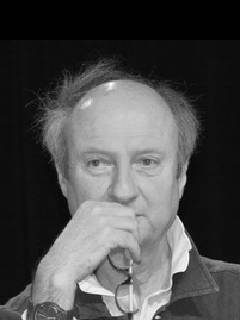




FILIPPO MURATORI - ITALY
From intersubjective difficulties in the infant to difficulties in early parent-infant interaction: the 6-to-12 month of life as a window for early identification and intervention in autism.
Summary
Retrospective studies on family home movies have created an amount of knowledge about autism before the first year of life. Using sequences extracted from video material derived from our studies in this field, two aspects of autism during the 6-to-12 month of life are described: intersubjective development in the infant and peculiarities of parent-infant interaction. Both aspects are illustrated through research data and individual video example. As for the infant, atypicalities in motor development, social and non-social attentional skills, vocalization and babbling, and repetitive movement are described focusing on differences between typical and atypical development. As for interaction between parents and children an early interactive style, capable of differentiating dyads with infants who will develop autism from those with infants with typical development or cognitive delay, will be described. This style is characterized by a reduction of inter-subjective skills in the infant (such as a lowering of syntony, of acceptance of other's invitations, of maintenance of social engagement, of orienting to name) and by a parallel increase in parents' behaviors aimed at engaging their infant in interaction (through a rise of touch, voice and movement). We have named this parental style 'up regulation' to differentiate it from those parental behaviors characterized by acts designed to calm the child and to reduce the amount of tactile, auditory and motor stimulation. This up-regulating interactive style is already present when the parents still have no conscious awareness of the disorder that affects their child. Thus, we could think that using this interactive style, parents are able to recognize, in an implicit way, their infant's deficiency in inter-subjective initiative, and quickly try to compensate for this defect in their child, increasing the quantity of solicitations towards their child. Finally, the notable role that is nowadays attributed to parent mediated treatments aimed at enhancing in everyday life those interactions that are more useful for contrasting the social deficit in the child, will be discussed. To work on early parent/infant interaction may be of great importance for the epigenetic role that social interaction has in the construction of children's social brain.
ALICIA BEATRIZ LISONDO - BRASIL
New challenges in the psychoanalytic clinic of children with autism spectrum disorders: Prisma Protocol.
Summary
New challenges in the psychoanalytic clinic for children with autism spectrum disorders: Prisma Protocol
This clinic, today, challenges us. Beyond the singular mystery and the multifactorial complexity of each child in his family, which requires interdisciplinary work, the current culture demands rapid symptomatic results, appeals to medicalization and behavioral therapy is the only one recommended.
The Prisma Protocol arises in this context, from the work of 16 years of analysts from São Paulo and Rio de Janeiro. Children undergoing psychoanalytic treatment 3 times a week were evaluated at the beginning, after one year and finally after 18 months of treatment. With categories based on psychoanalytic epistemology, we show the psychic changes in the subjective structuring of these beings who are not robots.
FERNANDO FERNANDEZ CASTRO- MEXICO
Systematic psychoanalytic study of the intersubjective aspects between mothers and autis-tic children in the context of a therapeutic institution.
Summary
Within the framework of the Universidad Intercontinental, through the University Center for Child Care (CUAI), which assists children and adolescents with autism spectrum disorders, through the “Modelo Principios de la Práctica entre varios”, a research project on the study of early affective relationships is carried out.
A review of the current state of the art is presented, as well as the first qualitative findings of the research whose general objective is to describe and analyze the psyche of the autistic child in the intersubjective relationship with his/her mother during the psychoanalytic therapeutic treatment. The specific objectives explore the alexithymic aspects in the mothers through the Toronto Alexithymia Scale (TAS-20) protocol. The analysis of the information from the therapeutic sessions was carried out using the traditional psychoanalytic method and the David Liberman Algorithm (ADL), a method that has conceptual bases in Freudian theory and presents systematicity, inter-rater reliability, empirical validity and concurrent validity.