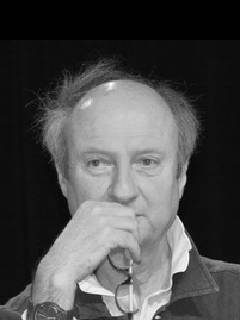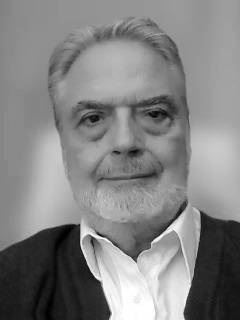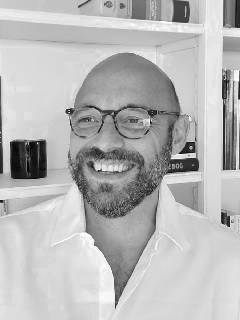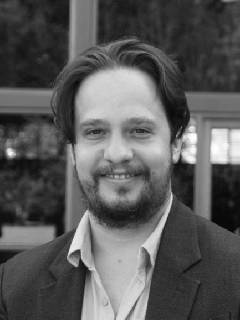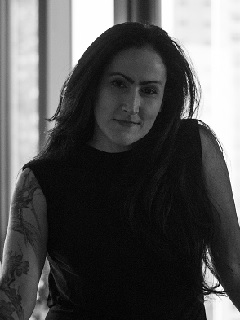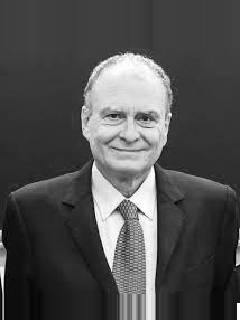



BERNARD GOLSE - FRANCE
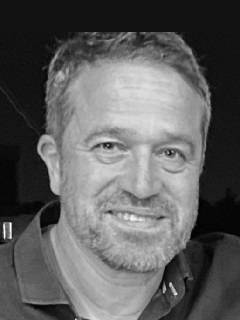
How the psychic functioning of the baby should influence the methodology of baby re-search.
Summary
The baby is both a clinician of his caregivers and a researcher about the world around him. Babies arrive in a world that precedes them and in order to form a theory of their environment, they must be available for what is significant in the context of their interactions, without knowing in advance what will or will not be. Contrary to the predictive protocols of the quantitative and/or exact sciences, our research protocols concerning babies must therefore - like the functioning of the baby itself - be open and without a priori hypothesis, which we have operationalized in our research program known as "PILE" (International Program for Child Language). As a co-actor in the clinic and in research, the baby's contribution to the epistemology of research now appears to be quite considerable.
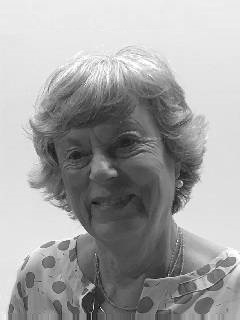
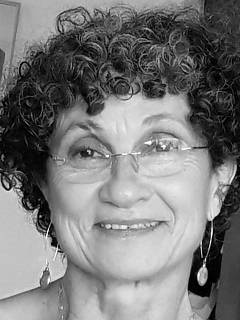
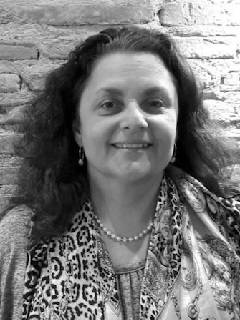
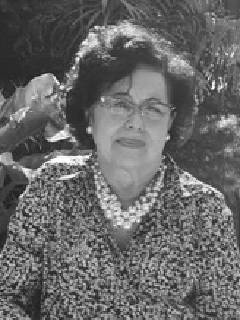
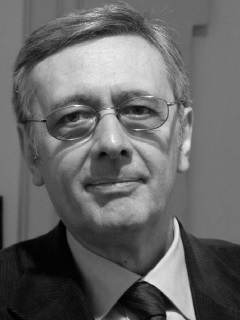
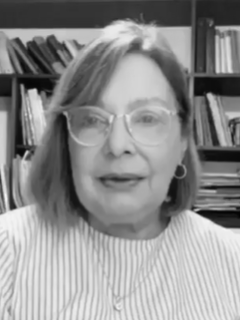
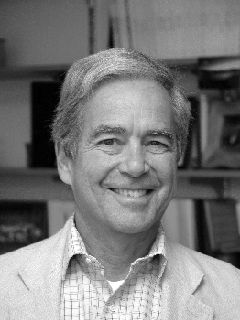
MARINA ALTMANN DE LITVAN - URUGUAY
Research on infants, children and adolescents and its dialogue with the psychoanalytic clinic.
Summary
Developmental research, as well as research on the mother-infant relationship, often seems disconnected from our clinical practice and psychoanalytic education. Although many psychoanalysts have made important contributions, their findings and discussion have not penetrated the analytic community. How can we build bridges so that the clinic can be enriched by research on infants, children and adolescents in a way that is close to analysts thought and work?
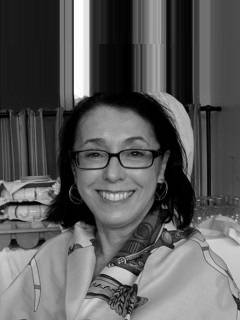
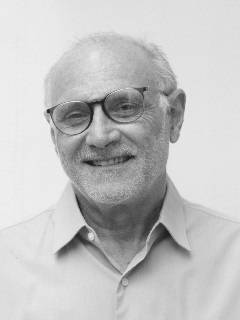
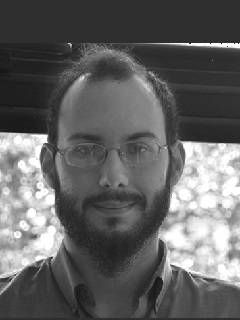
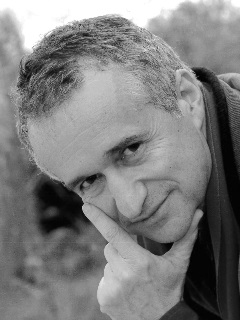
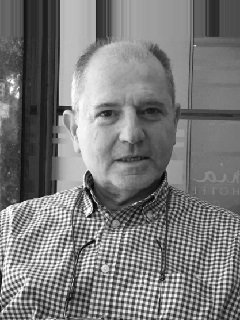
HUMBERTO PERSANO - ARGENTINE
Why make research in psychoanalysis for babies, children, and adolescents?
Summary
Psychoanalysis needs to investigate in different fields to share and compare its knowledge with other disciplines. Mental health issues are increasing in our changing world. Although babies, children and adolescents are a privileged population for health care, they are not under constant and specific research focus.
Our changing times have developed an enormous amount of technological advantages but our research focuses on how they have changed the human mind, traits, and personalities remain. We have through psychoanalytic theory and their technical approaches, a very powerful instrument for understanding the human mind but we, psychoanalysts are not so involved in making research. This condition makes our discipline lose predominant positions in the mental health field and in psychotherapy research.
Our young population is under overwhelming pressures, stress, violence, self-harm, mental health problems, familiar dysfunctional conditions and they are at risk of mental pain and suffering.
I will illustrate through my presentation some research carried out with this vulnerable young population.